mark

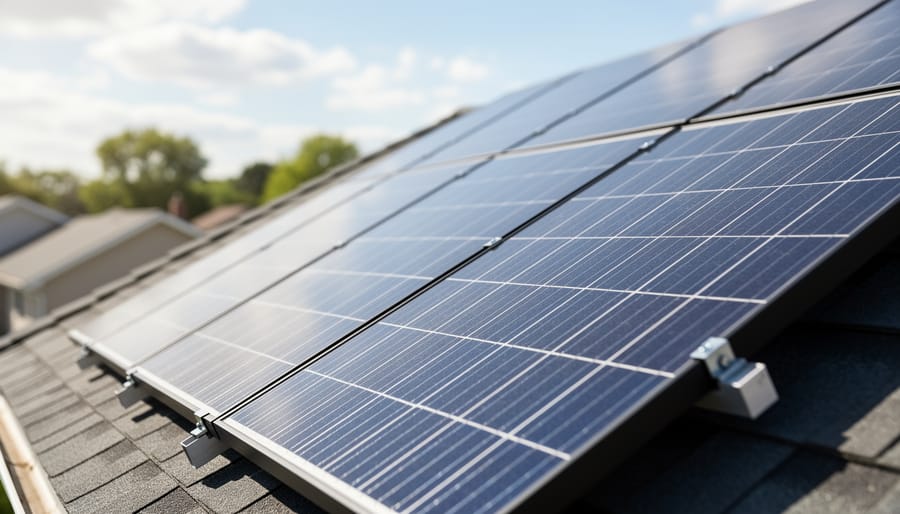
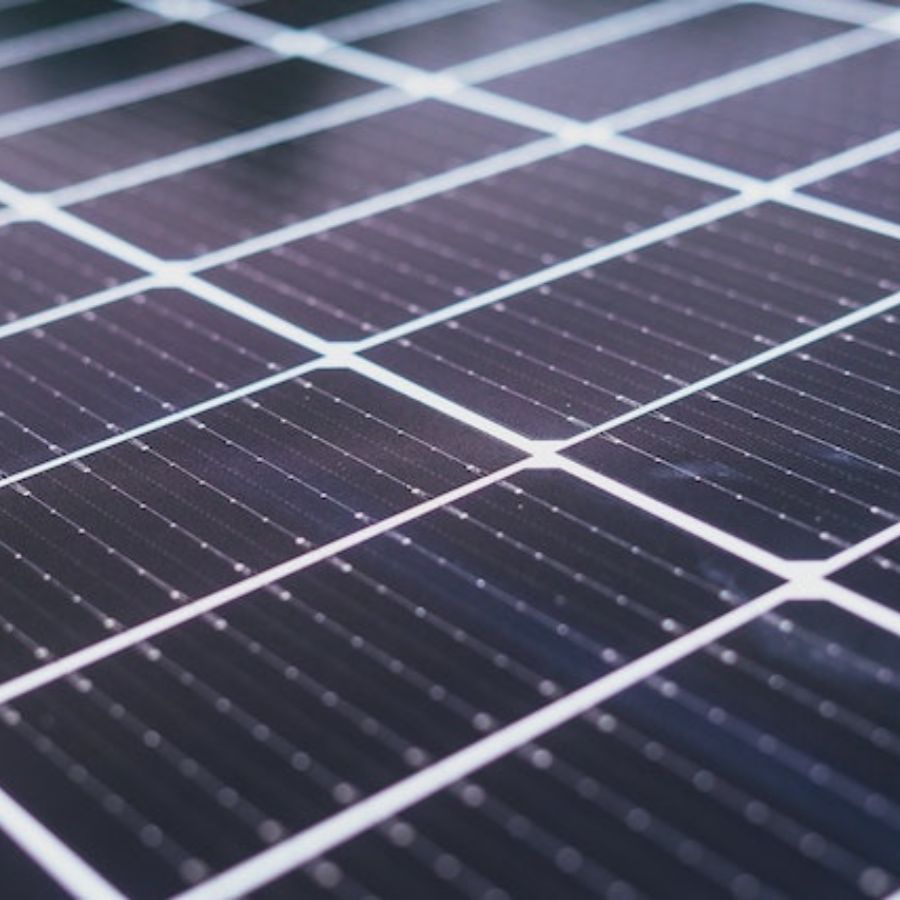
Close-up of photovoltaic solar panels on a rooftop under soft daylight, emphasizing solar energy capture.

What Is Joule Solar Energy (and How Does It Work)?

A joule is the standard unit of energy measurement in solar photovoltaic systems, quantifying the amount of electrical work generated by converting sunlight into usable power. One joule represents the energy transferred when one watt of power is sustained for one second, making it the fundamental metric for assessing how efficiently solar panels capture and convert solar radiation into electricity.
Understanding joule measurements matters because these values directly reveal system performance and equipment health over time. Solar professionals rely on joule-based metrics to track energy output degradation, compare panel efficiency …

“Glowing data and protective shield concept over a modern security control desk representing real-time monitoring for responsible online casino play.”

How Technology Enables Responsible Online Casino Play Through Real-Time Monitoring and Player Protection

Technology reporting in online casino environments relies on automated monitoring systems that track player behavior in real time, flagging patterns consistent with problem gambling and triggering intervention protocols before harm escalates. These systems analyze deposit frequency, session duration, bet sizing patterns, and loss-chasing behavior through machine learning algorithms that compare individual activity against established risk baselines. Get Bonus offers and promotional mechanisms are now embedded within these same monitoring frameworks, allowing operators to adjust marketing exposure based on …

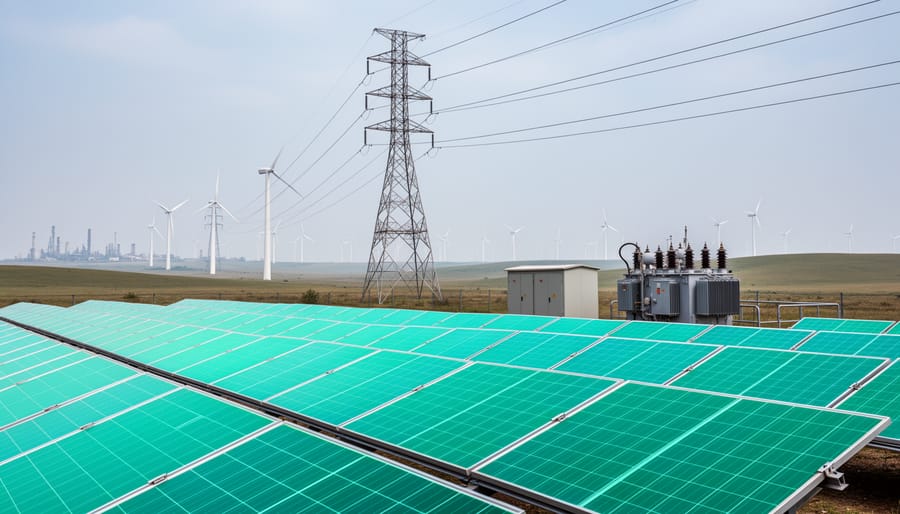
Solar panels and wind turbines with electrical transmission infrastructure in an Indian landscape under a bright sky, symbolizing India’s 300 GW clean energy milestone.

India Renewable Energy News Update: 300 GW Milestone Reached and What to Watch Toward 500 GW by 2030

India has officially crossed the 300 GW threshold for non-fossil fuel electricity capacity as of July 31, 2026, marking 60% completion of its ambitious 500 GW target set for 2030. The Ministry of New and Renewable Energy confirmed the country’s installed renewable and nuclear capacity now stands at 300.50 GW, a significant acceleration from previous growth rates that positions India as one of the world’s fastest-expanding clean energy markets.
This milestone arrives at a critical juncture. With four years remaining to add another 200 GW, the pace must intensify considerably. Solar and wind installations have driven the …

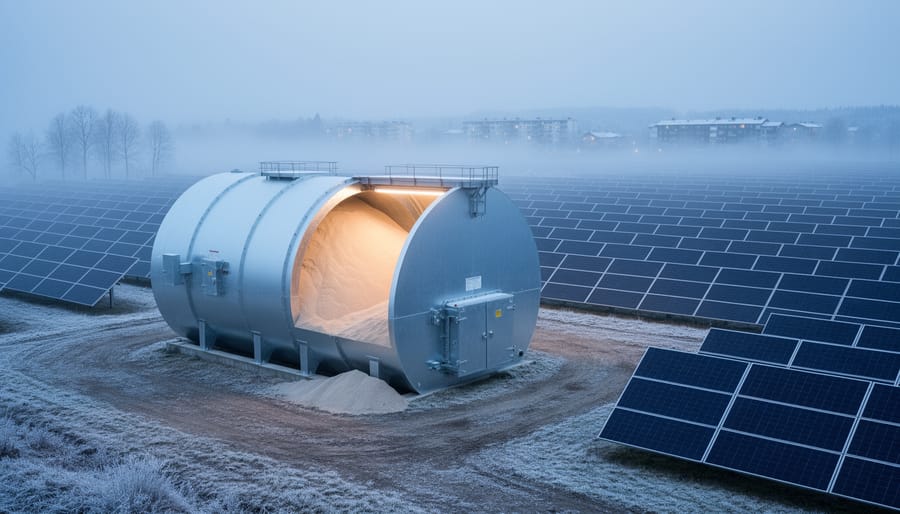
Insulated cylindrical sand battery thermal storage tank with pale sand in front of solar panels in a misty Nordic winter landscape, suggesting solar energy stored as heat.

What Is Finland’s Sand Battery (and How Does It Store Solar Energy)?

A sand battery is a thermal energy storage system that uses sand or sand-like materials as a medium to store heat at temperatures ranging from 500°C to over 1000°C for weeks or months. This technology captures excess renewable electricity, converts it to heat through resistive heating, and stores it in insulated containers filled with low-cost material like construction-grade sand. The stored thermal energy can then be released on demand for district heating, industrial processes, or, in emerging applications, converted back to electricity.
Finland has emerged as the proving ground for commercial sand battery deployment. Polar …

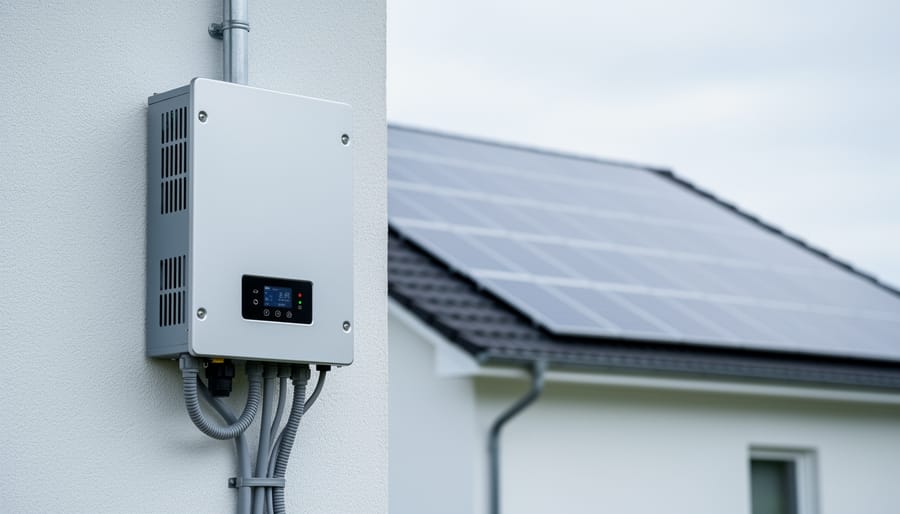
Modern solar inverter mounted outdoors on a residential wall beside a solar panel array, with visible wiring and conduit in a clean technical setting.

Why Is My Solar Inverter Failing? Common Problems and How to Fix Them

Most solar inverter failures stem from capacitor degradation, a fix that costs between $200 and $500 when caught early but can spiral into full replacement ($1,500 to $3,000) if ignored. The fastest diagnostic: check your inverter’s display or monitoring app for error codes, then verify all circuit breakers and DC disconnect switches are fully engaged. These two steps resolve roughly 40% of reported inverter problems without requiring a technician.
Key Takeaway: Inverter issues don’t automatically signal end-of-life. Most problems under five years are repairable faults (loose …

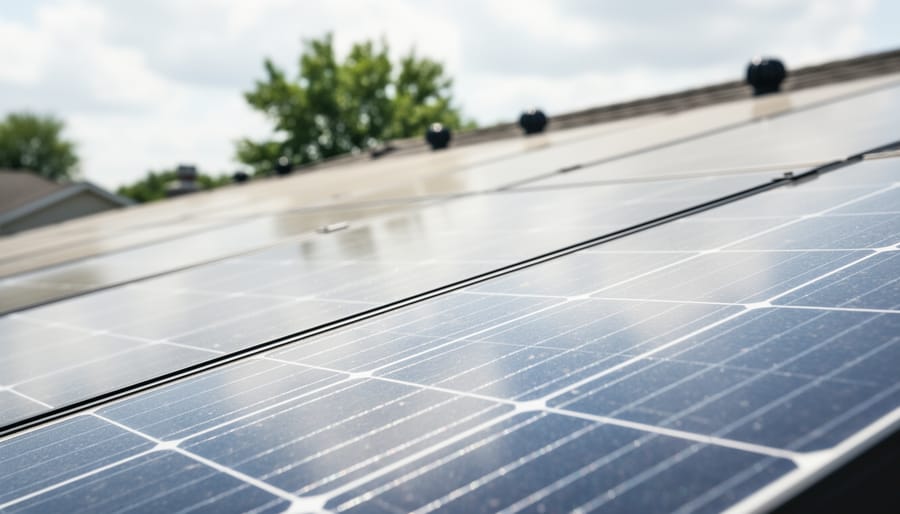
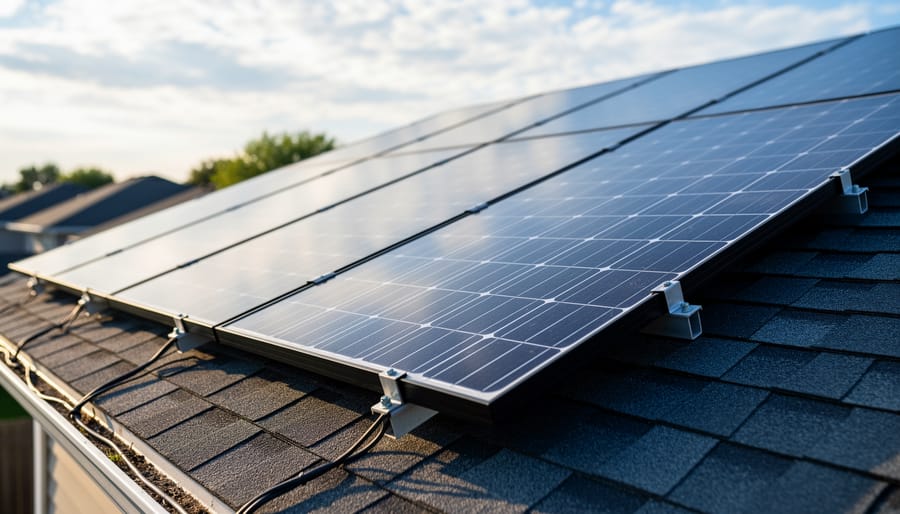
Rooftop solar panel array shown in bright daylight, emphasizing the textured panel surface and durability.

What Is the Lifespan of a Solar Panel (and How Does It Work)?

A solar panel’s lifespan typically ranges from 25 to 30 years, though many modules continue generating electricity well beyond three decades with gradually diminishing output. This durability stems from the solid-state nature of photovoltaic technology, which has no moving parts to wear out, but performance does decline at an average rate of 0.5% to 0.8% annually due to material degradation from UV exposure, thermal cycling, and environmental stress.
Understanding solar panel longevity matters because these modules represent the largest upfront cost in a photovoltaic system and directly determine return on investment. A …

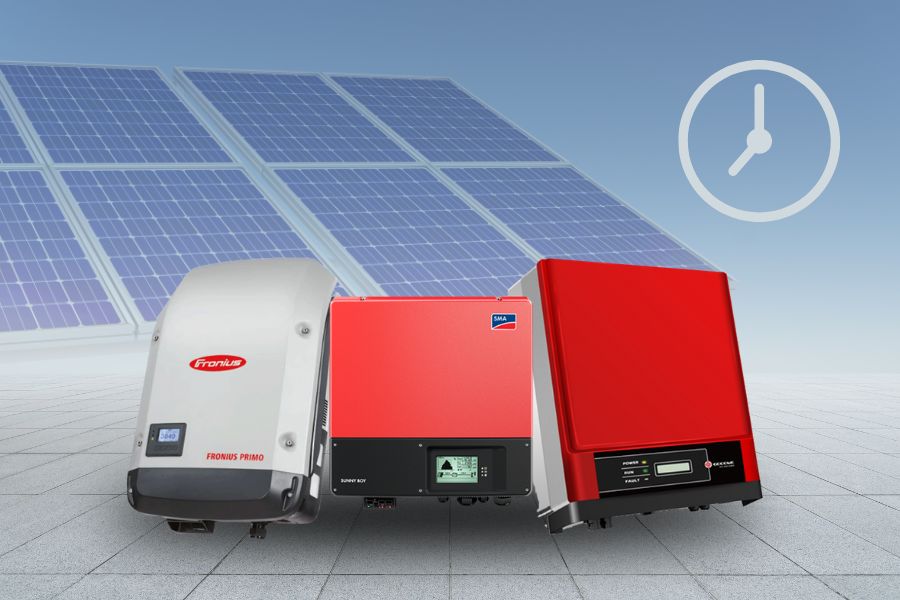
Concept of solar inverter longevity

How Long Do Solar Inverters Last

Solar energy has recently gained significant popularity as a clean and sustainable power source. A crucial component of any solar power system is the solar inverter.
It plays a vital role in converting the direct current (DC) generated by solar panels into alternating current (AC) that can be used to power homes and businesses. There are two main types of inverters: modified sine wave and pure sine wave …

Solar Power Magazines

Ireland is a country that has long been dependent on fossil fuels to meet its energy needs. However, in recent years, there has been a growing interest in renewable energy, particularly solar power. As a result, several solar power magazines in Ireland educate and inform people about this technology. Magazines help customers find solar installers through a sea of options on the market. In this article, we will take a closer look at these magazines and what they offer.
Irish Solar Energy Association Magazine
…

Asia Pacific Renewable Energy Economics

Last year, Asia’s energy crisis led prices for carbon fuels and renewables to skyrocket due to high demand and distribution network constraints. Spot market energy prices increased electricity costs by 19% for coal and 46% for gas, making renewable sources appear more affordable.
According to Wood Mackenzie, cost escalation in solar and wind power was caused by rising equipment and logistics expenses. …